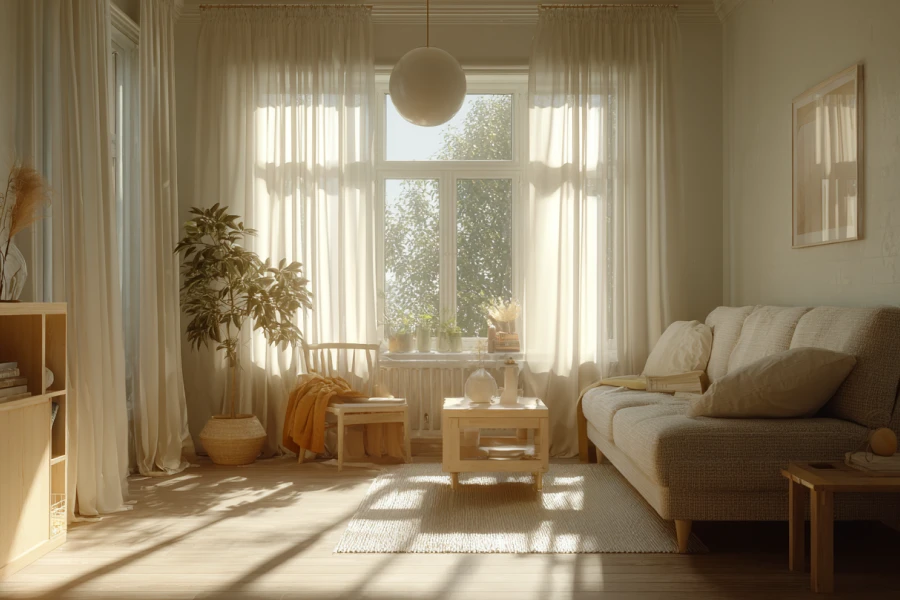
Living Room Organization Tips can help your main gathering space feel calmer, warmer, and easier to use. The living room usually works harder than any other shared room. It holds entertainment, conversation, relaxation, storage, family time, and sometimes work. When those roles overlap without a system, clutter becomes normal. The key is to organize around behavior. Notice where people drop things. Notice which items return every day. Notice which surfaces always fill first. Those patterns show what the room needs. For a practical reset, Smart Ideas for Tackling Living Room Clutter is a helpful resource.
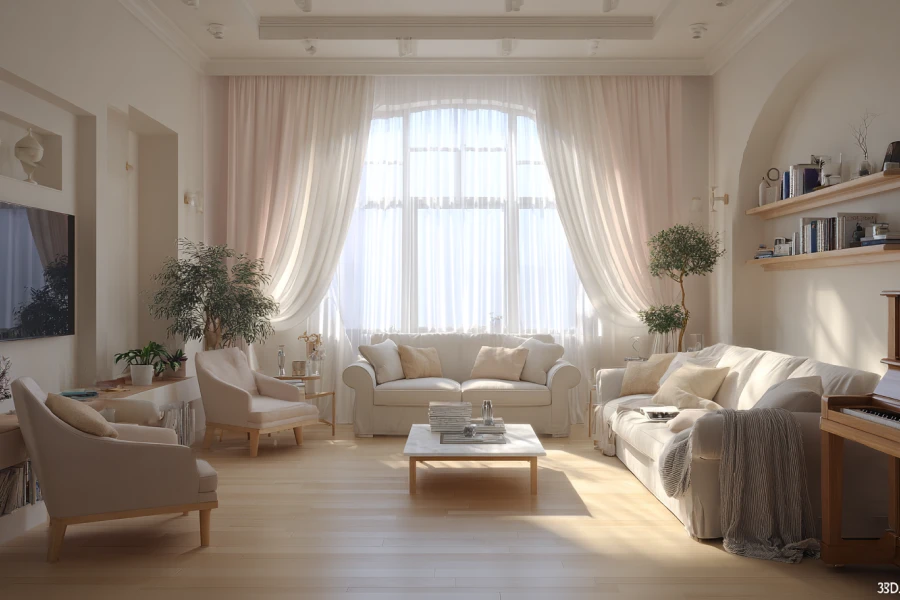
Purpose makes organizing easier because it removes guesswork. A clear clutter-free home plan helps you decide what truly belongs in the room. Keep items that support how you use the space. Move unrelated categories elsewhere. Donate or discard items that no longer serve you. Use a practical home organization checklist to stay focused. This keeps the room from becoming a holding zone for the whole house. Every choice becomes easier when the room has a clear job.
Storage should match both your style and your habits. Choose living room storage ideas that feel natural in the space. Baskets can hold blankets. Cabinets can hide games. Trays can collect remotes. Ottomans can store extra items. If the room is compact, small space organizing helps reduce crowding. Avoid storage that requires too much effort. If cleanup feels complicated, clutter will return. The best system is simple enough to repeat.
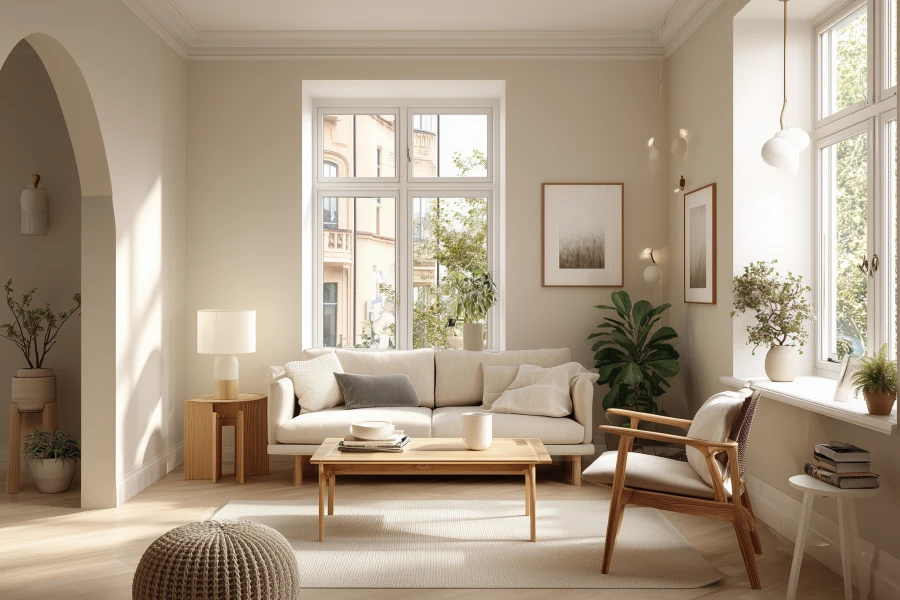
Surfaces need boundaries because they attract clutter quickly. A strong coffee table organization strategy keeps the center of the room calm. Limit open surfaces to useful or beautiful items. Move papers, wrappers, dishes, and extra accessories away immediately. Use visual clutter control on shelves and consoles. Leave open space around decorative pieces. Smart Ideas for Tackling Living Room Clutter helps turn those small choices into a lasting room system.
Shared rooms need systems that everyone can understand. Use family room storage that separates toys, remotes, books, blankets, and media. Keep categories broad rather than overly detailed. Add toy storage ideas that make cleanup quick for children. Use labels if they help. Keep daily items easy to reach. Store occasional items away from the main seating area. When people know where things go, the room stays calmer with less reminding.
Organization should improve the room’s atmosphere, not make it feel strict. A gentle cozy home reset lets you keep warmth while reducing mess. Choose soft textures, favorite books, good lighting, and meaningful decor. Use hidden storage solutions for items that are useful but visually busy. A minimalist living room can still feel welcoming when comfort remains the priority. The goal is less noise, not less personality.

Maintenance keeps the room from falling back into old patterns. Use a quick daily tidy routine at the same time each day. Return remotes. Fold blankets. Clear cups. Put books back. Reset pillows. These tiny habits protect the larger work. Review storage every few weeks and adjust what is not working. Your room should support real life as it changes. For a complete strategy from clutter to comfort, Smart Ideas for Tackling Living Room Clutter brings the process together.




Leave a comment