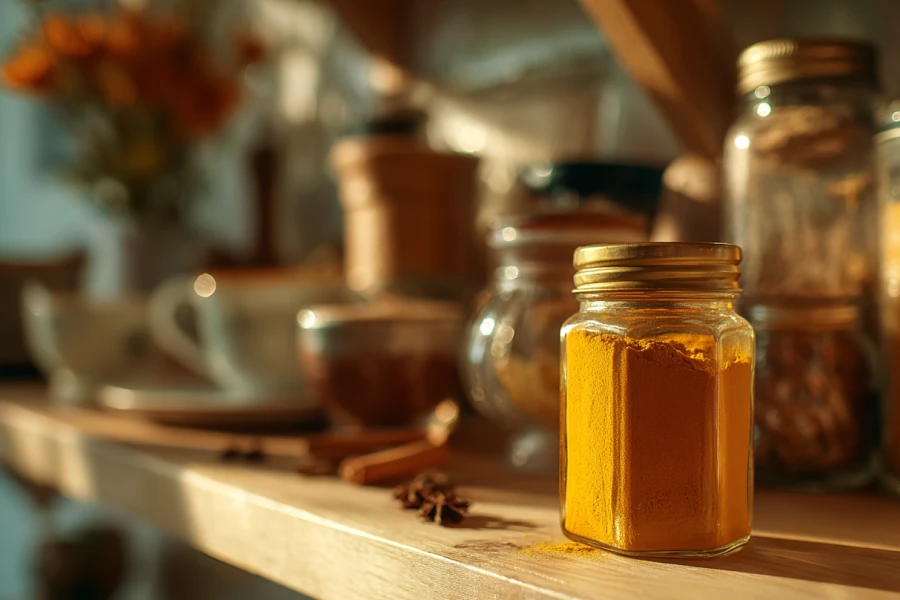
An Organized Spice Shelf Guide can change how your entire kitchen feels. Spices are small, but they create big daily friction when they are scattered, expired, hidden, or impossible to read. A better system helps you cook faster, waste less, and enjoy the process more. It also makes your shelves look cleaner without turning the kitchen into a showroom you cannot use. The goal is simple. You want every flavor to be visible, reachable, and easy to return after cooking. The Spice Sense: Mastering the Art of Organized Flavor guide helps make that process feel practical, stylish, and realistic.

A spice shelf becomes stressful when it holds too many decisions. You open the cabinet, move five jars, check three labels, and still cannot find cumin. That small interruption slows dinner and makes cooking feel messy. A clear system gives each spice a place and purpose. It supports organized pantry flow because everything follows a visible order. You can group spices by cuisine, flavor profile, or cooking frequency. The right method depends on how you cook, not how a perfect kitchen looks online. When the system matches your habits, it stays useful.
Before buying jars or racks, edit what you already own. Pull every spice into one place and check dates, smells, and duplicates. Old spices rarely ruin a meal, but they lose strength and take up valuable space. Keep what you use, replace what has faded, and remove what no longer fits your cooking. This step supports seasoning cabinet cleanup without making the process complicated. You may discover three jars of paprika or two nearly empty oregano bottles. Combine when safe, discard when needed, and make space for flavors you truly reach for.
An Organized Spice Shelf Guide should begin with your most-used spices. These belong in the easiest zone to see and grab. Salt blends, pepper, garlic powder, chili flakes, cinnamon, oregano, and everyday seasoning mixes often deserve prime space. Less-used baking spices or specialty blends can move higher, lower, or farther back. This creates a smoother everyday cooking routine because frequent items stop hiding behind occasional ones. The Spice Sense: Mastering the Art of Organized Flavor guide helps you think through these zones in a way that feels useful, not fussy.

Matching jars can look beautiful, but they are not always required. What matters most is visibility, fit, and ease of use. If your cabinet is narrow, slim jars may work better than round ones. If your shelf is deep, risers can make the back row readable. If you cook quickly, wide labels may matter more than aesthetics. A strong spice jar labeling system prevents confusion and saves time. Use labels that are readable from the angle you normally view the shelf. Beauty should support function, not replace it.
An Organized Spice Shelf Guide is especially helpful in small kitchens. Limited space makes every duplicate, oversized bottle, and awkward container more noticeable. Use vertical height wherever possible. Add a tiered shelf, magnetic strip, drawer insert, or slim pull-out organizer if it fits your layout. These choices support small kitchen storage without crowding the counter. Keep only the spices you use regularly in the main cooking zone. Store refills or rare blends elsewhere. A small kitchen feels larger when your flavor system stops competing for attention.
A beautiful spice shelf should still work on a busy Tuesday night. Style matters because visible order makes the kitchen feel calmer. However, beauty fails when the system is hard to maintain. Choose simple labels, consistent containers, and a layout that returns easily after cooking. This creates beautiful kitchen shelves with real daily value. Keep the most attractive view in front, but do not hide practical items so deeply that you stop using them. Your kitchen should look polished and still let dinner happen quickly.
An Organized Spice Shelf Guide works best when maintenance feels effortless. Review spices every season, not every week. Wipe the shelf before refilling jars. Add new spices only after deciding where they belong. Keep a small list of low seasonings so you do not buy duplicates. These habits create kitchen decluttering tips that protect the system over time. The meal prep organization because the flavor step becomes simple. You do not waste time searching. You build rhythm. Over time, the shelf becomes more than neat storage. It becomes a practical tool for better meals, calmer cooking, and a kitchen that finally feels easier to use.




Leave a comment