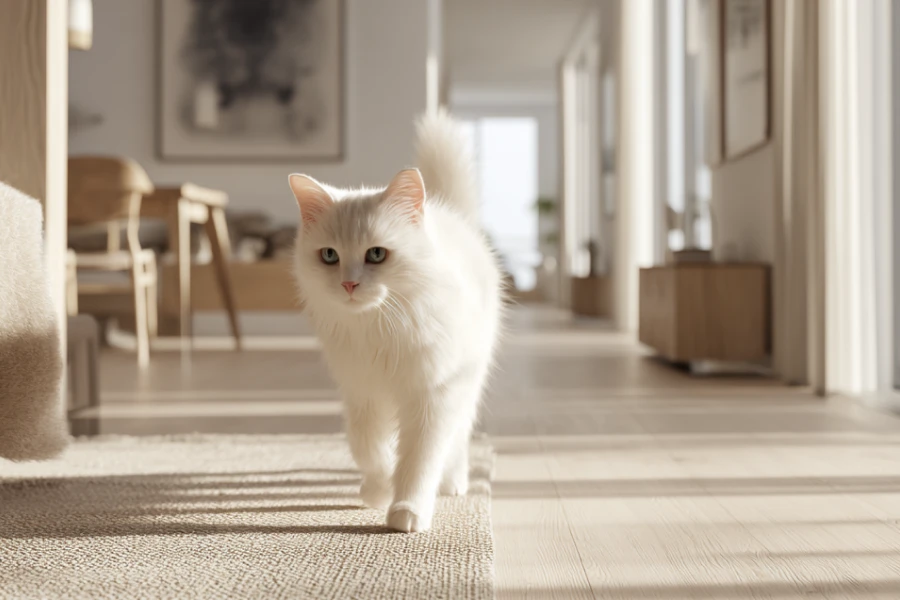
An Ebook with Pet Storage Ideas gives pet owners a practical way to reduce mess without making the home feel strict. Pet supplies have a habit of spreading everywhere. Food lands in one cabinet. Toys gather in corners. Leashes hang on random hooks. Grooming items disappear right when you need them. This creates frustration during simple daily routines. A better system makes care faster, cleaner, and easier for everyone. A Place for Everything Your Pet Needs helps you create that kind of order. The goal is not minimalism. The goal is a pet-friendly home that still feels calm.
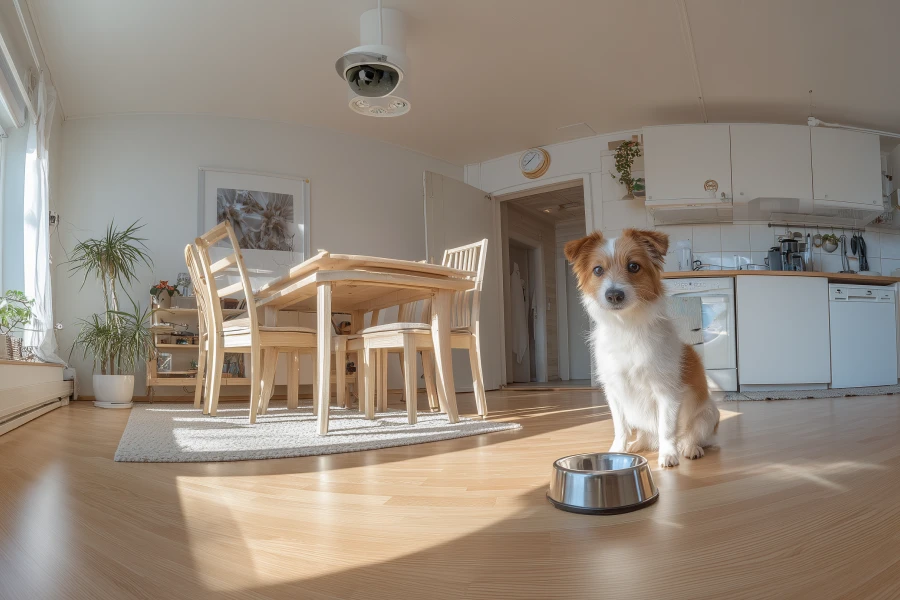
Busy pet owners need storage that works during real life. Complicated systems usually fail because nobody has time to maintain them. Simple categories work better. A clear pet supply organization setup keeps daily care items visible and accessible. Food, walk supplies, grooming tools, medicines, toys, and cleaning products each need a dedicated place. This reduces repeated searching. It also prevents duplicate purchases. A strong pet storage system should match your schedule, not fight it. When the system feels natural, you use it consistently. That consistency keeps clutter from returning.
Storage should begin with the moments that happen every day. Feeding, walking, grooming, playtime, cleanup, and medicine routines all create different supply needs. Keep feeding tools near the feeding area. Store leashes near the door. Place wipes and towels where messes usually happen. A practical mudroom pet station can simplify walks, wet paws, and quick cleanups. Smaller homes can use a cabinet, cart, or wall hook system instead. A Place for Everything Your Pet Needs helps turn those repeated routines into clear zones. Smart placement matters more than expensive containers.
Food organization improves both cleanliness and consistency. Dry food should stay protected from moisture, pests, and accidental spills. Treats need their own smaller container so they do not crowd the main feeding area. A labeled pet food storage setup helps everyone follow the same feeding plan. Keep scoops, portion notes, supplements, and bowl cleaning tools nearby. This reduces confusion in multi-person households. It also supports pets with specific diets. Store backups separately from daily supplies. That keeps the main zone clean. A simple food station can make every morning and evening feel easier.
Walk supplies should never become a scavenger hunt. Use hooks, baskets, or a small drawer for harnesses, collars, waste bags, and towels. A reliable leash and collar storage area helps you leave the house faster. Grooming tools need the same attention. Brushes, nail trimmers, shampoo, wipes, and ear care items stay easier to use when grouped together. A portable grooming supply organizer works well for bathrooms, laundry rooms, or utility spaces. Travel supplies can live in a separate bag. That keeps occasional items from crowding everyday care.
Toy clutter can make even a clean room feel messy. The solution is not hiding every toy. Pets need access to play, comfort, and enrichment. Instead, create a visible but controlled system. Use a low basket for current favorites. Store extra items in a nearby bin. A simple toy storage for pets routine lets you rotate toys without overwhelming the floor. Damaged toys should have a separate review spot. Washable toys need a cleaning schedule. This keeps play areas safer and tidier. A Place for Everything Your Pet Needs makes the process feel manageable.
Small homes need smarter zones because every shelf matters. Use vertical storage when floor space is limited. Wall hooks, labeled bins, cabinet doors, and rolling carts can hold more than expected. A small home pet organization approach keeps only daily items in easy reach. Backups, seasonal gear, and travel items can move higher or farther away. Add a basic pet routine planner if multiple people share care tasks. This prevents missed feedings, forgotten walks, and duplicated chores. Storage should make the home feel lighter. A clear system gives every pet item a reason and a place.



Leave a comment